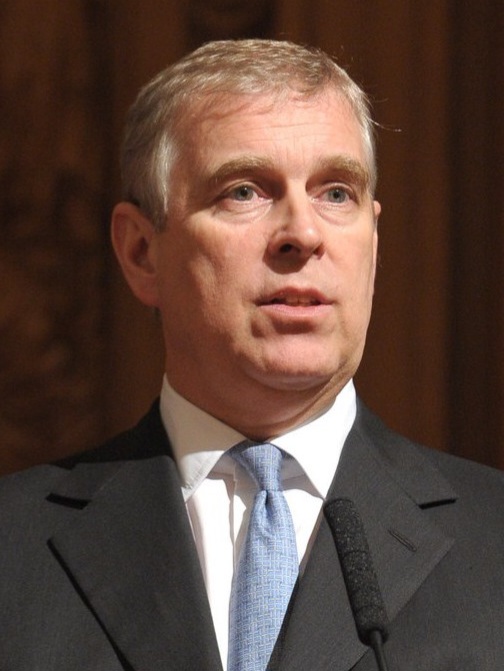
Prince Andrew Arrested: Misconduct in Public Office Explained Amid Royal Turmoil
While the public often speculates on the financial fortunes and professional achievements of various prominent individuals – perhaps pondering "andrew stevens net worth" or the successes of other figures in business and entertainment – recent events have sharply refocused attention on the legal tribulations of a different public figure: Prince Andrew Mountbatten-Windsor. The unexpected arrest of Queen Elizabeth II's younger son on suspicion of misconduct in public office sent shockwaves through the United Kingdom and across the globe, signaling a new chapter in the ongoing controversies surrounding the former royal. This unprecedented development has brought a rare and complex legal charge to the forefront, leaving many to wonder about its implications and the future of the Duke of York.
The news broke on a Friday morning, leaving the British public grappling with the reality that one of their own, a prominent member of the Royal Family, had been taken into police custody. Prince Andrew, known as Prince Andrew before being stripped of his royal titles and honors in October, spent approximately 11 hours under questioning. His detention took place at a police station located near his new residence on the King's privately owned Sandringham Estate in Norfolk, England. This move to Norfolk on February 4th had reportedly been made under orders from his older brother, King Charles, adding another layer to the narrative of his diminished status within the monarchy.
Despite the lengthy questioning, Prince Andrew was ultimately released without charge. However, his release was not an exoneration; he remains under investigation, a legal status known as "released under investigation" (RUI) in the UK. This signifies that while there wasn't sufficient evidence for immediate charges, the inquiry is far from over. Thames Valley Police, the department handling the arrest, confirmed their ongoing efforts, including searches of Royal Lodge – Prince Andrew's former home on the grounds of Windsor Castle – for potential evidence, such as computers and other electronic devices. Throughout this ordeal, Prince Andrew has maintained his denial of any wrongdoing concerning his association with the late convicted sex offender Jeffrey Epstein and has not made any public statements since his arrest.
Understanding "Misconduct in Public Office": A Rare Legal Challenge
The charge of misconduct in public office is not one frequently encountered in UK legal proceedings, making Prince Andrew’s case particularly noteworthy. Vicky Lankester, a solicitor specializing in criminal and regulatory defense with U.K. law firm Brett Wilson, described it as a rare offense. This is primarily because it is a common law offense, rather than being enshrined in specific legislation.
**Key aspects of this charge include:**
* **Common Law Origin:** Unlike most modern criminal offenses defined by statute, misconduct in public office stems from centuries of judicial precedent. This means its definitions and applications have evolved through court rulings rather than being set out in a clear Act of Parliament.
* **Prosecutorial Preference for Statutory Offenses:** Legal guidance often advises prosecutors to pursue statutory offenses over common law ones where possible. Statutory offenses typically offer clearer definitions, established penalties, and more straightforward pathways for prosecution, making them generally fairer and easier for all parties involved. The rarity of the misconduct in public office charge reflects this preference.
* **Breach of Public Trust:** At its core, the offense targets individuals who hold public office and abuse the trust placed in them. It typically involves a public officer wilfully neglecting to perform their duty, or misusing their position, to an extent that amounts to an abuse of the public's trust. The misconduct must be serious enough to warrant criminal proceedings.
Should Prince Andrew eventually be charged with misconduct in public office, he would face a jury trial, with a maximum penalty that could potentially extend to life imprisonment. This stark consequence underscores the severity with which the law views breaches of public trust, even if the route to conviction is less trodden than for other crimes.
The Epstein Connection and the Role of a Trade Envoy
The genesis of the investigation into Prince Andrew's conduct appears to be deeply rooted in his past association with Jeffrey Epstein, particularly during his tenure as a UK trade envoy in 2010. The catalyst for the recent arrest was the release of documents by the U.S. Justice Department in January. These documents allegedly contained communications between Mountbatten-Windsor and Epstein, hinting at potential business dealings between the two during a period when Prince Andrew was officially representing the British government abroad.
As a trade envoy, Prince Andrew’s role was to promote British business interests and foster international trade relationships. Any suggestion that he might have used this official capacity to engage in personal business ventures, or to facilitate dealings with a disgraced financier, would constitute a serious breach of the standards expected of a public office holder. This convergence of his royal status, his public role, and his controversial personal connections forms the crucible of the current legal scrutiny. The allegations suggest a profound conflict of interest, potentially leveraging his position for private gain or association, which lies at the heart of the misconduct charge.
What Lies Ahead: An Unpredictable Legal Horizon
For Prince Andrew, the path forward is shrouded in uncertainty and promises to be protracted. Legal experts like Vicky Lankester suggest that determining whether he will face charges could take anywhere from weeks to years. The "released under investigation" status means there are no strict deadlines for the police to adhere to, allowing them ample time to gather and assess evidence. This open-ended timeline is a significant factor, as it prolongs the period of public scrutiny and legal limbo for the former royal.
Crucially, despite being under investigation, Prince Andrew is not currently bound by any conditions. This means he is free to travel and is not required to report to a court or police department. This level of freedom, while common for individuals released under investigation, can seem at odds with the gravity of the allegations. However, it underscores the principle that until charges are formally brought, an individual is afforded certain liberties.
Looking ahead, the potential for a jury trial looms large should charges be filed. Such a trial would undoubtedly be one of the most high-profile legal proceedings involving a member of the British Royal Family in modern history, drawing intense media and public attention. Beyond the legal outcome, the mere existence of this investigation, regardless of its conclusion, carries immense reputational implications for Prince Andrew and, by extension, the monarchy itself. The questions surrounding his judgment, his past associations, and his conduct in public office will continue to reverberate, shaping public perception for years to come.
For more detailed information regarding the ongoing legal scrutiny, you can explore
Prince Andrew's Future: Legal Investigation After Epstein Ties. Additionally, the nuances of his current status are further explained in
Uncertainty Looms: Prince Andrew's Release Under Investigation.
In conclusion, Prince Andrew's arrest on suspicion of misconduct in public office marks a profound moment for the British monarchy and legal system. The rarity and complexity of the charge, coupled with its direct links to the Epstein scandal and his role as a trade envoy, guarantee a challenging and lengthy legal journey. While the outcome remains highly uncertain, the investigation itself serves as a stark reminder of the rigorous standards expected of those in public office, regardless of their background, and the enduring importance of public trust. The unfolding drama will undoubtedly continue to captivate and challenge perceptions of royalty and responsibility in the modern era.